Maintenance & DIY Tutorials · August 18, 2026
How to Check Engine Coolant Level Safely
Coolant checks are done on a cold engine with the correct fluid specification and attention to recurring loss.
Disclosure: This guide may contain affiliate links. If you purchase through a qualifying link, Motor Parts Guide may earn a commission at no additional cost to you. Learn more.
It usually starts with a small moment: checking fluids the morning before a hot-weather mountain drive, a little less time than expected, and a car that needs to do its job without fuss. That is the situation we had in mind while researching this guide.
Start with the job you need done
A premixed coolant matching the vehicle specification reduces mixing errors. Before comparing brands, check your vehicle manual, measure the space where the item will live, and decide how often you will realistically use it. Those three steps rule out a surprising number of poor purchases.
A practical step-by-step approach
- Park level and wait until the engine is fully cold.
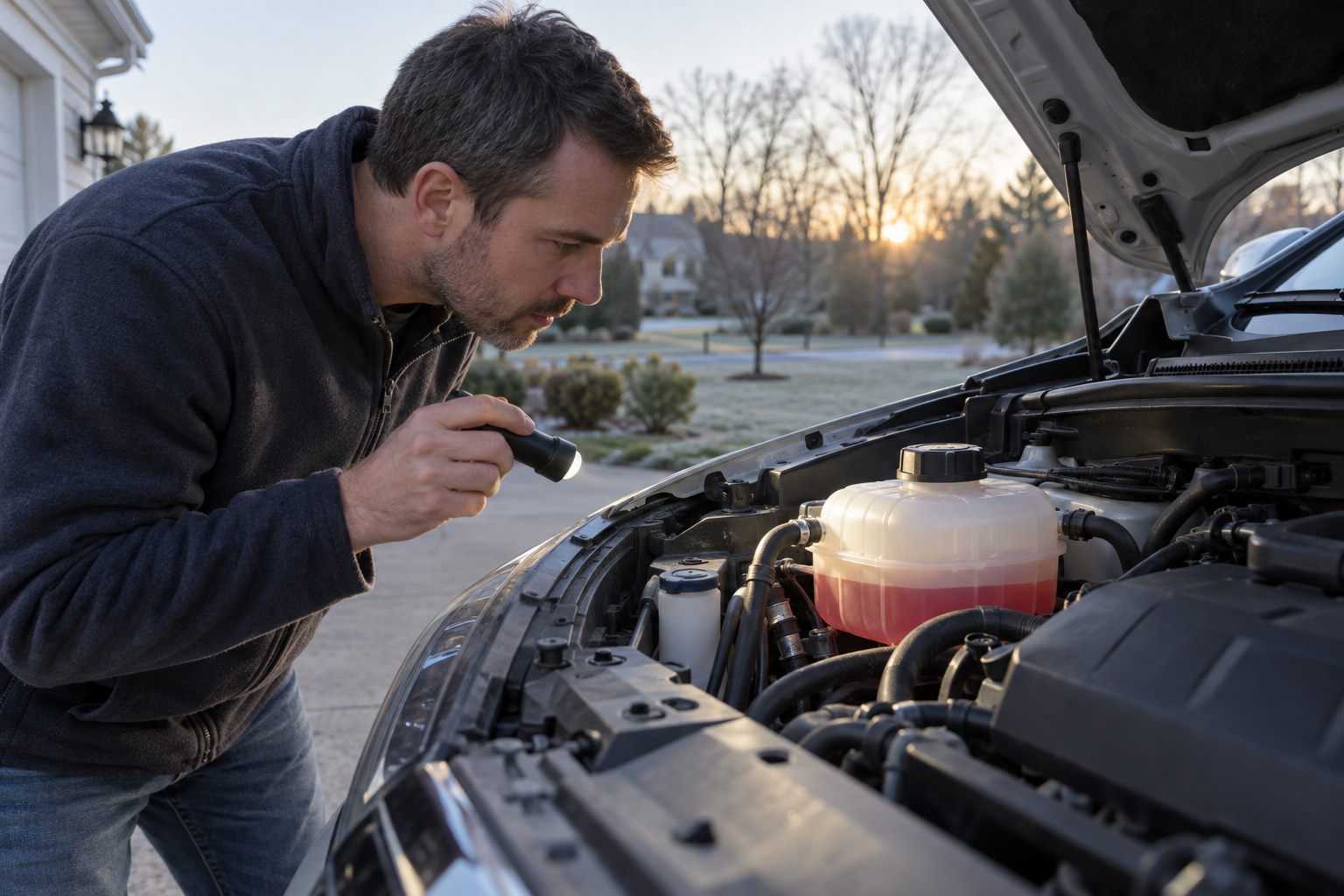
- Identify the translucent expansion reservoir and compare the level with its cold markings.
- Inspect visible hoses and the ground for residue or wet spots before adding anything.
- Add only the approved coolant as directed, secure the cap and monitor the level over subsequent drives.
Safety note: Never remove a pressurized radiator or reservoir cap from a hot engine.
What to compare before buying
Look for clear fitment information, instructions that match your vehicle and a return policy you can understand. Published specifications are useful, but they only matter when they suit your own routine. A commuter, a family hauling sports gear, and a weekend DIYer may make different sensible choices.
- Prioritize quality and compatibility over a marketing-heavy feature list for engine coolant.
- Prioritize quality and compatibility over a marketing-heavy feature list for overflow reservoir.
- Prioritize quality and compatibility over a marketing-heavy feature list for cooling system.
The tradeoff worth knowing
Universal labeling does not guarantee compatibility with every cooling system. This is not a category where the most expensive choice automatically solves every problem. Buy for the scenario in front of you and leave room in the budget for installation, maintenance, or professional help when safety is involved.
Before you order
Save the part number, confirm the return window, and take a quick photo of the existing setup. That short preparation makes it far easier to compare an item when it arrives. For brakes, electrical systems, lifting a vehicle, or anything you are unsure about, use a qualified technician.